Meet Dr. Gary Slutkin
Gary is a physician and epidemiologist formerly of the World Health Organization, the Founder and CEO of Cure Violence, and an innovator in epidemic management, public health, behavior change, and data-based approaches to local and global problems.
He led or co-led efforts to reverse epidemics of tuberculosis and cholera in 40 refugee camps, led the efforts to start the national AIDS programs with the 13 countries in the epicenter of the epidemic in central and East Africa and, led World Health Organization’s efforts to reverse the AIDS epidemic in Uganda, the only country to successfully reverse its AIDS epidemic at the time.
After 10 years abroad, Dr. Slutkin returned home to the U.S. and shifted his focus to violence, seeing it as an epidemic process. He is credited with having fully revealed the scientific and practical links for seeing and treating violence as a standard health epidemic. In the year 2000 he founded Cure Violence which has achieved 40% to 70% drops in violence in communities around the world using these methods. The approach has also been successfully adapted to curtail political violence, election violence, and gender-based violence in countries around the world.
My Story
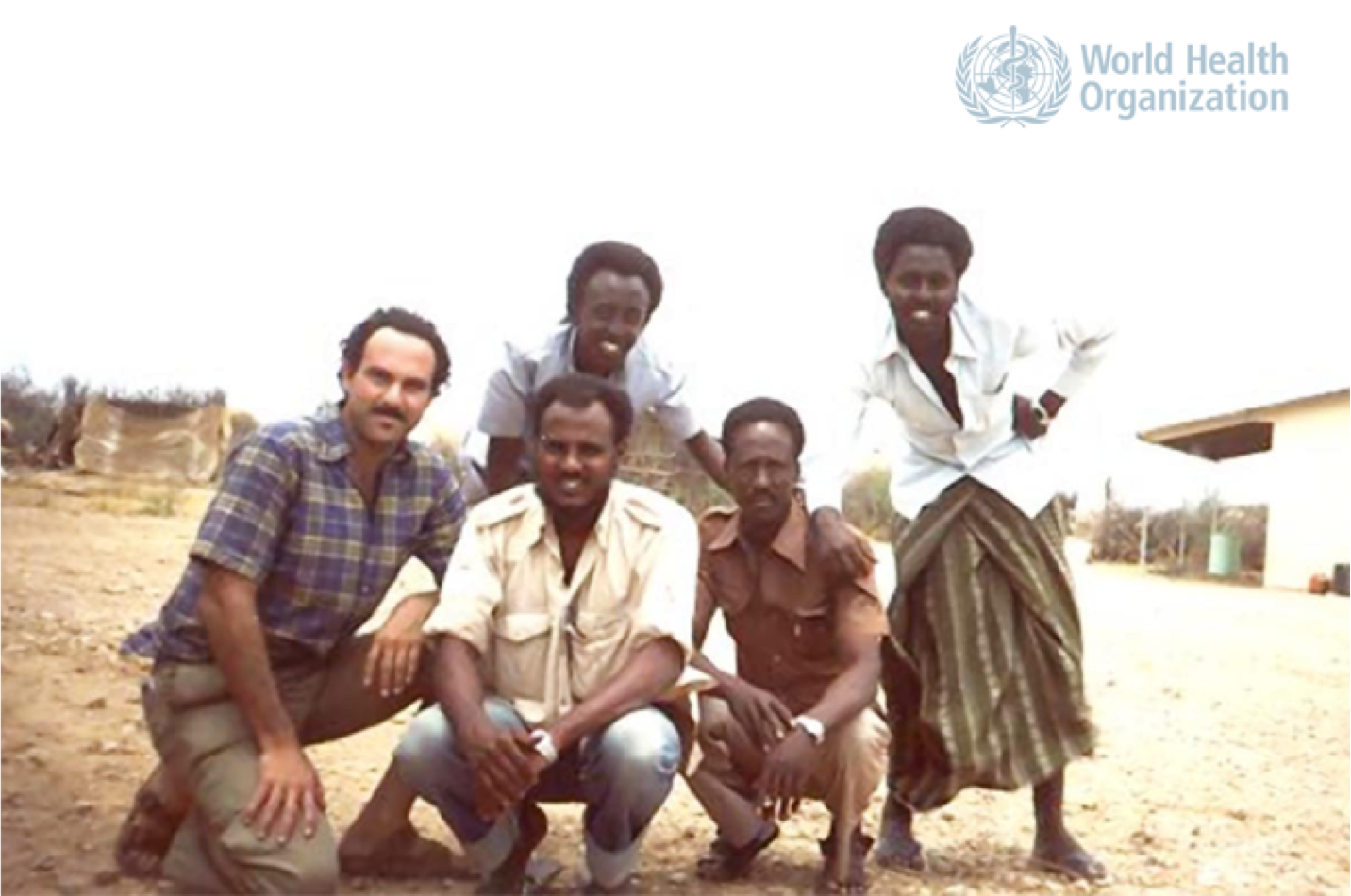
San Francisco General Hospital (SFGH). I ended up running the Tuberculosis Program for the City of San Francisco at a time when they had the highest rate of tuberculosis in the country. Next, I moved to Somalia to work on tuberculosis in refugee camps. The situation quickly turned into a rampart cholera epidemic that swept through the 40 camps. A few years later, I was recruited by the World Health Organization (WHO) to join the newly forming WHO Global Program on AIDS, helping more than a dozen countries set up AIDS programs.
I was immersed in epidemics. I worked in more than 25 countries. I had seen more death and suffering than I had imagined was possible. I came home to Chicago to take a break.
It all began with an observation
In my hometown, Chicago, my focus shifted to violence, as that was the major problem. I look at the charts, maps and graphs in the newspapers, and I began seeing it as an epidemic process. The data looked the same as the data for the other epidemic I had been fighting. As well, other epidemiologic characteristics appeared to define violence as contagious.
I began working on infectious diseases.
I became a doctor of infectious disease, studying at the University of Chicago Pritzker School of Medicine, and training at UCSF and
We started the first pilot of the Cure Violence approach.
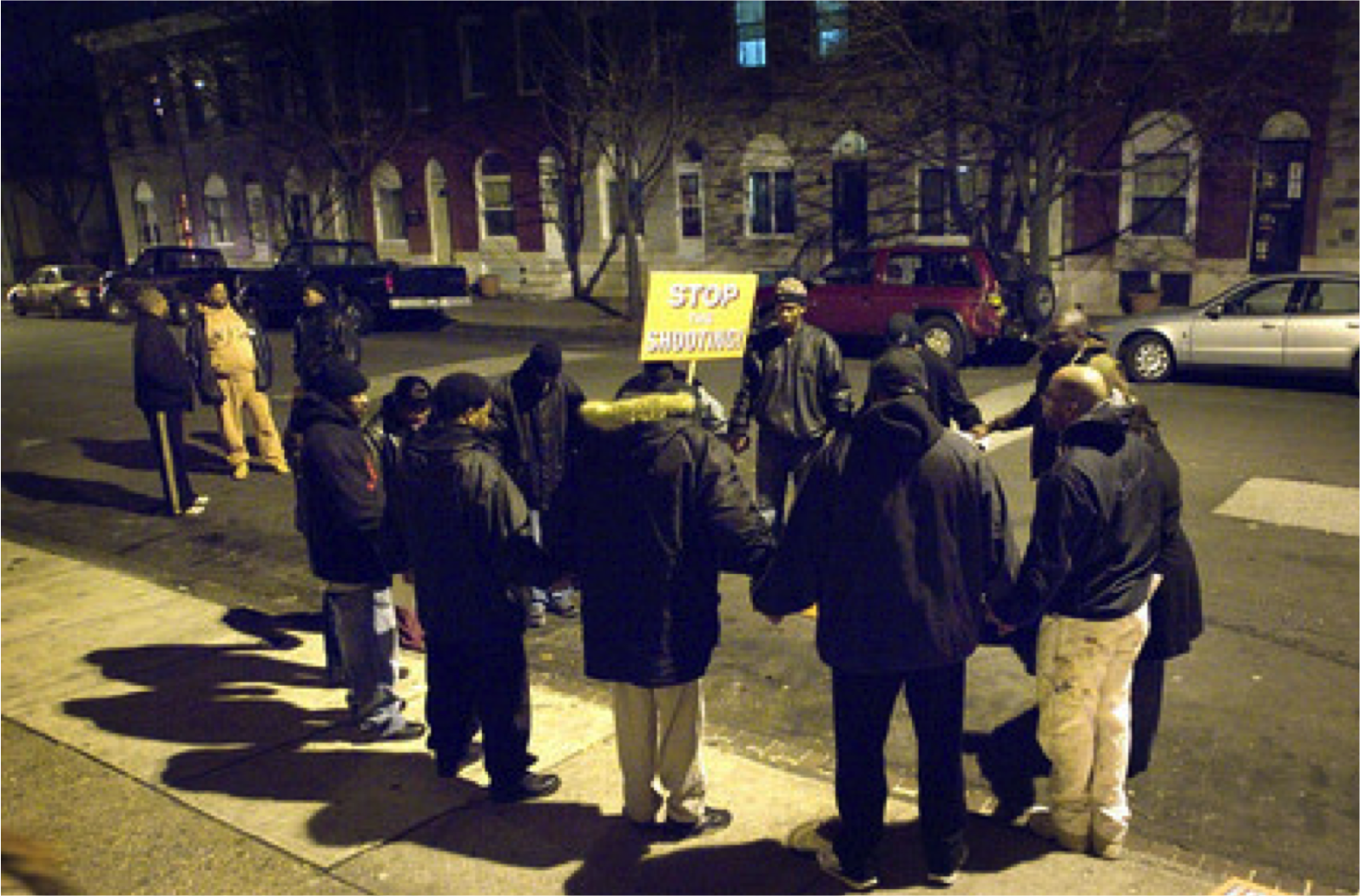
In 2000, my team and I started a pilot in the West Garfield Park community in Chicago. This community had one of the highest rates of killing in the nation. In the first year, the approach got a 67% drop in shootings with long periods with no shootings at all. The grandparents, parents, and children of the neighborhood began to feel safe again. They started sitting on their porch and going to parks again.
In Chicago, we showed that the approach could work
The approach quickly spread in the US
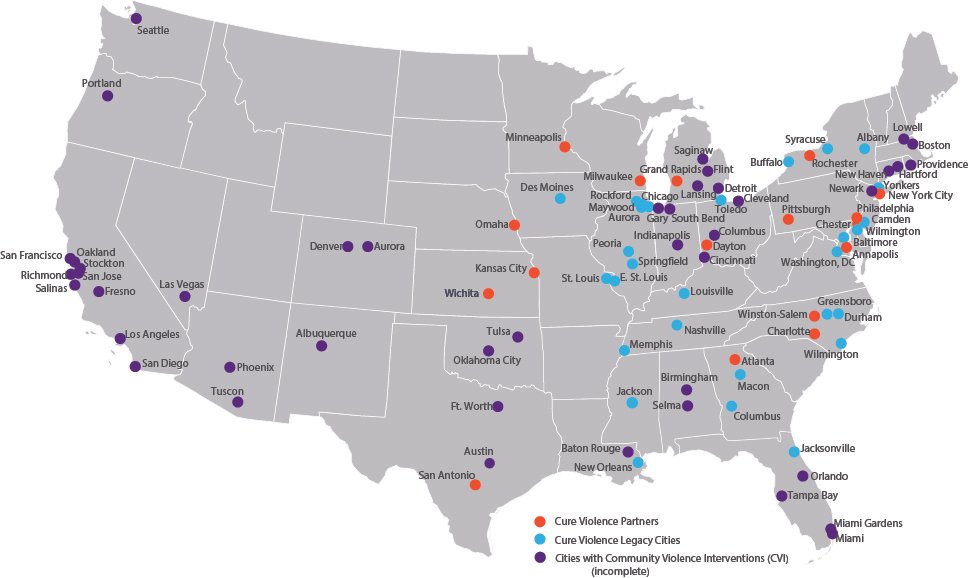
Between 2004-2008, Cure Violence Global was visited by representatives from over 30 cities. By 2008, with Cure Violence staff providing intensive training and support, replications of the approach were active in Baltimore, Kansas City and New York City, as well as outside the United States, in Iraq (Basra and Sadr City). Dozens of US cities have worked closely with Cure Violence to implement new sites, while many others were influenced by the impact of the approach and implemented similar programs of their own.
…and Globally
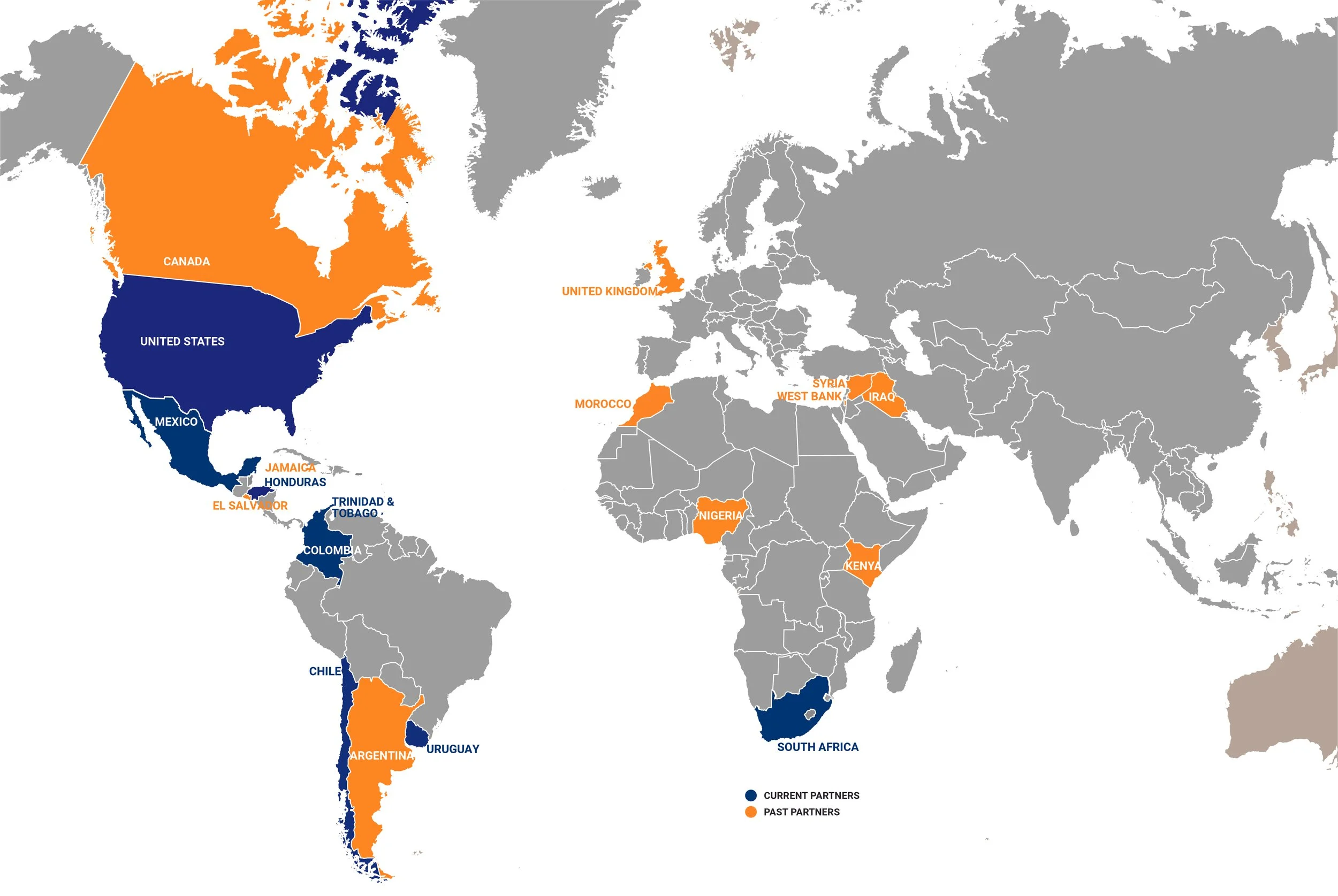
Since 2008, Cure Violence expanded the approach in Latin America, the Middle East, Africa and Europe, with current or former replication sites established in Colombia (Cali), El Salvador (San Salvador and San Pedro Mazawal), Honduras (San Pedro Sula), Jamaica (St. Catherine North and St. James), Kenya (Nairobi and Rift valley), Mexico (Ciudad Juarez and Chihuahua City), South Africa (Hanover Park), Syria (western and northern), Trinidad & Tobago (Port of Spain) and the United Kingdom (London), as well as in Canada (Halifax and Alberta)
The premier of “The Interrupters”
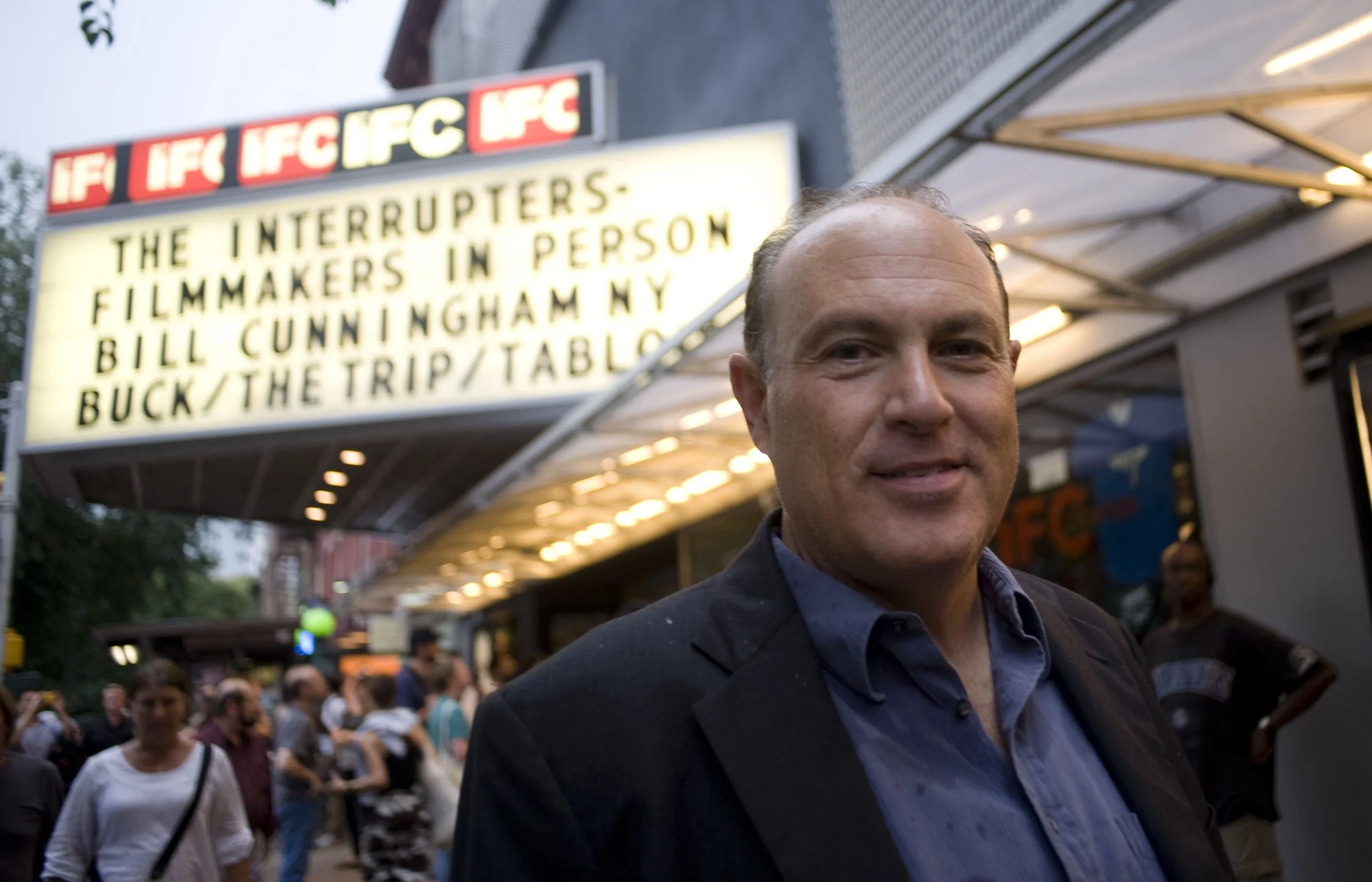
In 2011, the award winning film, “The Interrupters'' was released which called additional attention to the work, and which began the fame of the “interrupter” part of the work (to this day), although the full intervention was and remains much more complete and systematic.
We launched a movement to change how communities approach violence.
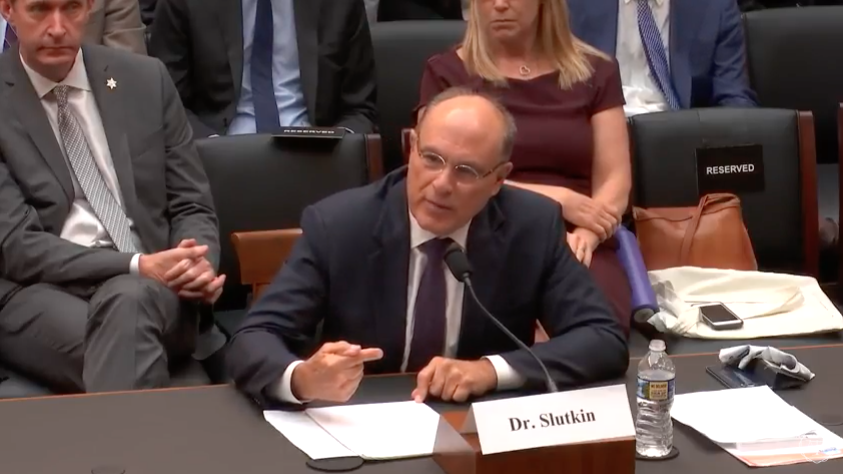
Since its inception, Cure Violence Global has also provided leadership for the field of violence prevention by organizing health and community leaders to shift the language, understanding, policies, and systems related to violence towards health. Starting in 2015, Cure Violence Global and partners brought together more than 125 health centered and community organizations and 700 individuals to work on shifting the paradigm on violence, which has, along with community activism, and the presence of the evaluation data been instrumental in bringing about the massive shifts in investments by the Biden Administration as well as at major international organizations such as UNICEF and the Inter American Development Bank.
The approach is now used in communities across the world.